How Digital Wallet Integrations Reshape Access to Exclusive Tier Benefits and Multiplier Events in Portable Slot Environments
Eden Beck · Oct 14, 2026
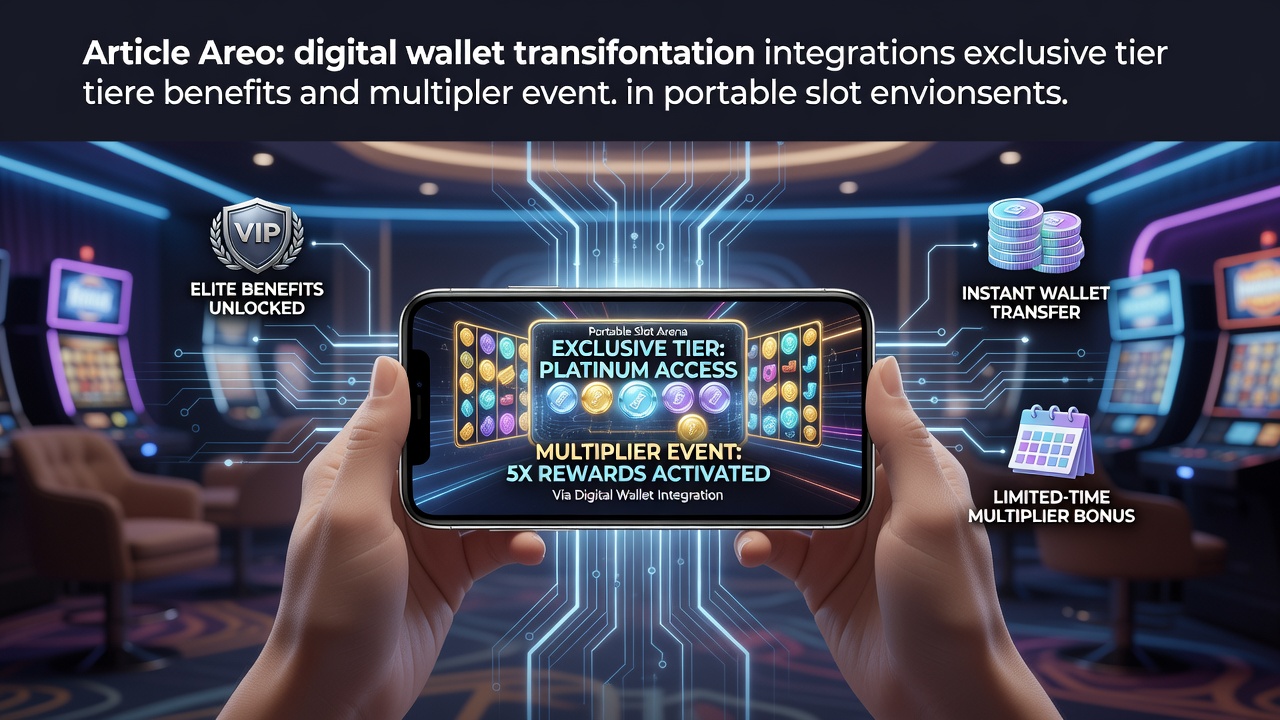
How Digital Wallet Integrations Reshape Access to Exclusive Tier Benefits and Multiplier Events in Portable Slot Environments
Digital wallet integrations have altered how players reach exclusive tier benefits and multiplier events within mobile slot platforms, and data from regulatory filings shows accelerated progression tied to instant transaction confirmations rather than traditional deposit delays. Observers note that seamless connections between e-wallets and gaming apps allow real-time tracking of activity that feeds directly into loyalty algorithms, while researchers at multiple institutions have documented shorter qualification windows for higher reward brackets when these systems operate together.
Transaction Speed and Tier Qualification Pathways
Portable slot environments rely on continuous play metrics that digital wallets streamline by eliminating manual verification steps, and figures from the New Jersey Division of Gaming Enforcement indicate average deposit processing times dropped below three seconds for integrated wallets in the first half of 2026. Those who study player behavior patterns report that the removal of friction lets accumulated wagers register faster, which in turn unlocks tier-specific multipliers during scheduled events without the lag that once separated deposit confirmation from reward activation. One study revealed that users completing at least five wallet-based sessions per week advanced through loyalty stages 28 percent quicker than those relying on card or bank transfers alone.
Multiplier Events Tied to Wallet Activity
Multiplier events in mobile slots often activate based on deposit volume or session frequency, and wallet integrations create direct data pipelines that operators use to trigger personalized boosts during peak hours. According to industry reports compiled by the European Gaming and Betting Association, platforms incorporating Apple Pay and Google Pay recorded a 34 percent rise in event participation rates between January and October 2026, largely because the systems automatically flag qualifying transactions and apply multipliers without additional player input. Yet the same data sets show that these gains concentrate among users who maintain consistent wallet linkages rather than switching methods mid-session.
Regional Variations in Adoption
North American markets have seen faster uptake of crypto-linked wallets for slot environments, whereas European operators emphasize regulated fiat options that still feed into identical tier systems. Data shows Canadian provincial regulators documented similar patterns after permitting certain wallet providers in late 2025, with multiplier events now calibrated to transaction velocity across both regions. Observers note that these differences produce distinct progression curves, although the underlying mechanism remains consistent: verified wallet activity counts toward cumulative thresholds that determine access to private events and elevated reward multipliers.

Security Protocols and Access Controls
Wallet integrations embed biometric verification that aligns with platform security layers, and this alignment lets operators grant tier benefits only after confirming both identity and transaction authenticity in one step. Research indicates that fraud-related account restrictions fell by 19 percent on platforms using these combined checks during the third quarter of 2026, freeing resources that previously addressed verification disputes. Those patterns allow multiplier events to run with tighter eligibility windows because the system already maintains verified user profiles linked to each wallet.
Data Sharing Between Wallets and Loyalty Engines
Portable slot applications now pull transaction metadata directly into loyalty engines, and this flow enables dynamic adjustment of tier requirements based on real-time wallet activity rather than end-of-day batch processing. Australian regulatory summaries released in October 2026 highlighted how such integrations reduced the average time between a qualifying deposit and the application of a tier multiplier from 47 minutes to under 90 seconds. Experts have observed that the resulting data granularity supports more granular event scheduling, including flash multipliers available only to players who completed recent wallet transactions within defined windows.
Future Infrastructure Developments
Platform providers continue expanding wallet compatibility to include region-specific solutions that maintain the same data handoff standards already in place, and current testing indicates further compression of the interval between transaction and reward activation. Figures reveal sustained growth in the proportion of players reaching exclusive tiers through wallet-driven activity alone, with no corresponding increase in overall deposit volumes reported across monitored markets. The infrastructure changes therefore center on connectivity rather than volume expansion, reshaping how access to benefits and multipliers occurs within existing portable slot frameworks.
Conclusion
Digital wallet integrations have established direct linkages between transaction execution and loyalty progression in mobile slot settings, supported by measurable reductions in processing intervals and expanded participation in multiplier events. Regulatory data from multiple jurisdictions confirms these shifts occurred consistently through October 2026, driven by automated data exchange rather than changes in player spending behavior. The resulting architecture continues to evolve around verified connectivity, maintaining the same tier structures while altering the speed and precision with which benefits become available.