Charting Funding Protocol Influences on Elite Rewards in App-Driven Gaming Networks
Gisela Wagner · Oct 28, 2026
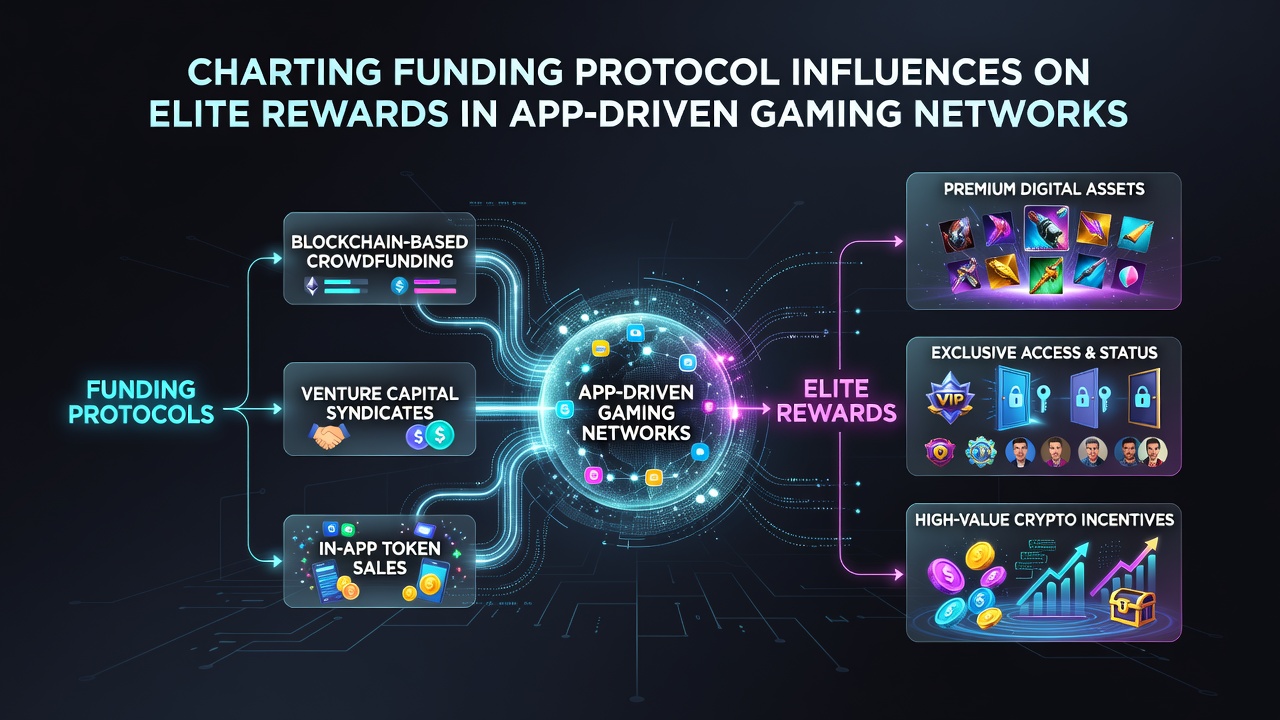
Charting Funding Protocol Influences on Elite Rewards in App-Driven Gaming Networks
App-driven gaming networks track player deposits through specific funding protocols that directly shape progression toward elite reward tiers, and observers note patterns emerging across mobile platforms in October 2026 where instant transfer methods accelerate tier advancement compared to traditional bank routes. Data from multiple jurisdictions shows that players using certain digital wallets reach multiplier events faster because algorithms prioritize transaction speed and volume when calculating loyalty points.
Mapping Transaction Types to Reward Pathways
Funding protocols vary widely in mobile casino environments, and researchers have documented how credit card deposits, cryptocurrency transfers, and e-wallet transactions feed into distinct reward allocation systems. Those who've examined network data find that protocols enabling sub-second confirmations often trigger immediate point multipliers, whereas slower methods accumulate points at baseline rates. Studies indicate that this differentiation creates layered pathways where elite status depends not only on total spend but also on the chosen funding channel.
One analysis of app-based systems revealed that cryptocurrency protocols frequently link to higher-tier free spin allocations because blockchain timestamps provide verifiable speed metrics that loyalty engines reward automatically. In contrast, players relying on direct bank transfers experience delayed point posting, which stretches the timeline for reaching VIP thresholds. Figures from industry reports confirm that these timing differences compound over months of regular play.
Regional Patterns in Protocol Integration
North American operators have integrated diverse payment rails into their mobile networks, and data shows variations by state regulatory environment. Pennsylvania systems, for instance, log higher volumes of instant e-wallet activity correlating with accelerated elite reward unlocks during peak periods. Observers tracking October 2026 activity note similar trends in emerging markets where regulatory updates allow broader protocol options.
European networks display parallel dynamics, with certain countries requiring standardized reporting on how funding sources influence bonus distribution. Academic examinations of these datasets highlight correlations between protocol diversity and the density of reward events available to high-volume users. Those studying the patterns emphasize that operators adjust algorithms based on transaction metadata rather than arbitrary preferences.
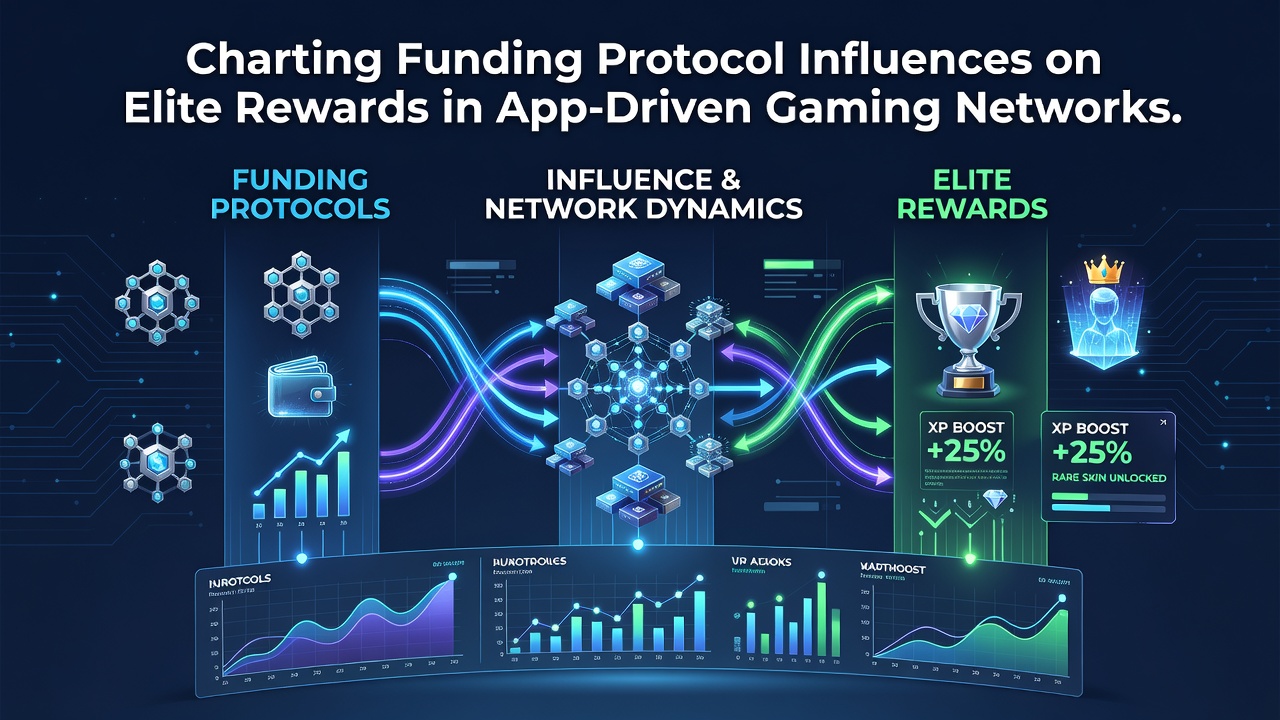
Algorithmic Weighting of Deposit Speed and Volume
Elite reward engines assign numerical weights to funding protocol attributes, and experts have traced how speed, cost, and verification level factor into point multipliers. Faster protocols receive elevated coefficients in many systems because they reduce friction between deposit and playable balance. Research indicates that players switching to optimized channels often cross into new tiers within shorter timeframes as a direct result of these weighted calculations.
Industry datasets from October 2026 illustrate that networks incorporating multiple protocol options see wider distribution of elite rewards across user segments. Players utilizing combined methods, such as an initial e-wallet deposit followed by cryptocurrency top-ups, accumulate layered bonuses more efficiently than single-protocol users. This occurs because the systems register each distinct transaction type as a separate qualifying event.
Data Correlations Across Gaming Platforms
Quantitative reviews of app-driven networks reveal measurable links between protocol choice and reward density. American Gaming Association publications document aggregate trends where instant protocols correlate with higher frequencies of multiplier events. Parallel findings appear in analyses from Australian regulatory bodies, which track how different funding rails affect loyalty progression in licensed mobile environments.
Those examining the data note that volume thresholds interact with protocol type, and players meeting minimum deposit speeds qualify for additional events sooner. The intersections become particularly visible in live dealer modules where real-time balance updates depend on protocol responsiveness. Evidence from multiple platforms confirms that these mechanics operate consistently across geographic regions despite differing local rules.
Conclusion
Funding protocol influences on elite rewards follow identifiable patterns within app-driven gaming networks, and ongoing data collection continues to refine understanding of these relationships. Operators adjust weighting systems based on transaction characteristics, while players navigate available channels to optimize progression timelines. Regional regulatory frameworks shape which protocols integrate most readily, yet the underlying correlations between speed, volume, and reward allocation remain consistent across examined networks. Continued monitoring through late 2026 will likely provide further clarity on evolving protocol impacts.